
Eye allergies are a common concern for patients of all ages, causing discomfort, redness, itching, and watery eyes. At Eye Clinic of Sandpoint in Sandpoint, ID, understanding the root causes of eye allergies is essential to managing symptoms effectively and improving daily comfort. Identifying specific triggers allows patients to take targeted measures to reduce exposure and protect eye health.
Understanding Eye Allergies
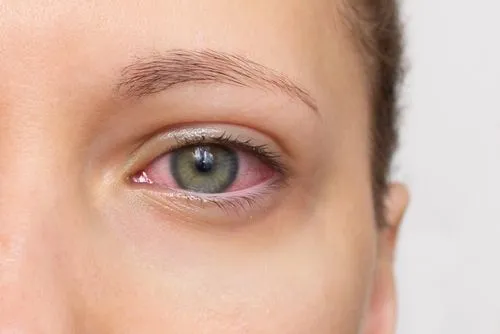
Eye allergies occur when the immune system overreacts to substances in the environment, known as allergens. Common allergens include pollen, dust mites, pet dander, mold, and certain chemicals. When these allergens come into contact with the eyes, the body releases histamines, leading to the familiar signs of irritation and inflammation. Recognizing how these triggers affect individual patients is the first step toward effective management.
Observing Symptoms
The initial step in identifying eye allergy triggers is paying close attention to symptoms and when they occur. Patients should note the timing of eye redness, itching, or watering. Symptoms that appear seasonally may point to pollen or outdoor allergens, while year-round irritation may indicate dust, pet dander, or mold. Keeping a detailed symptom diary helps both patients and eye care professionals pinpoint potential triggers and patterns.
Evaluating Environmental Factors
Examining the environment where symptoms occur most frequently can provide valuable clues. For example, noticing increased irritation after cleaning, dusting, or spending time in certain rooms may indicate dust or chemical sensitivities. Outdoor activities during high pollen days may reveal seasonal triggers. Adjusting these environmental factors, such as using air purifiers, keeping windows closed, and maintaining clean living spaces, can significantly reduce exposure.
Considering Lifestyle and Habits
Lifestyle habits, such as wearing contact lenses or using certain cosmetics, may also contribute to eye allergy symptoms. Patients should observe whether irritation worsens after applying eye makeup, using specific lotions, or wearing lenses for extended periods. Identifying and adjusting these habits can help reduce flare-ups and improve overall eye comfort.
Seeking Professional Guidance
While observing symptoms and adjusting environmental factors are helpful, professional evaluation is crucial for accurate diagnosis and effective treatment. Eye care specialists at Eye Clinic of Sandpoint can perform thorough examinations and allergy testing to determine specific triggers. Based on the findings, they can recommend appropriate treatments such as antihistamine drops, prescription medications, or lifestyle modifications tailored to the patient’s needs.
Taking the time to identify eye allergy triggers empowers patients to take control of their symptoms and improve their quality of life. Eye Clinic of Sandpoint in Sandpoint, ID, at (208) 263-8501, provides comprehensive evaluations and expert guidance to help patients manage eye allergies effectively. Schedule an appointment today to protect your eyes and find relief from persistent irritation.
